
What is Upsampling and How Does it Improve Sound Quality?
Upsampling is like taking a digital picture and adding more pixels to make it look sharper and more detailed. In the audio world, it means converting a lower resolution audio file into a higher resolution one. This process involves adding extra audio samples, effectively increasing the audio’s sample rate.
How Upsampling Works
Imagine you have a grid of dots representing a sound wave. Each dot is a sample. When upsampling, more dots are added between the existing ones, creating a smoother and more detailed wave. This is done using interpolation, a method that estimates the values of these new dots based on the original ones.
For example, if you have an audio file sampled at 44.1 kHz (like a standard CD) and upsample it to 96 kHz, you’re adding more data points. This can make the sound smoother and closer to the original performance.
Benefits of Upsampling
- Enhanced Detail: Higher sample rates can capture more details. Upsampling can reveal subtle sounds in the music that might be missed at lower sample rates.
- Improved Compatibility: Upsampling can make lower-resolution files compatible with high-resolution playback systems, like our Home Music Systems.
- Reduced Aliasing: Think of aliasing as unwanted noise. Upsampling can make these noises easier for your DAC to remove through the use of filters, resulting in cleaner sound.
Can Digital-to-Analog Converters (DACs) Improve Sound Quality?
A Digital-to-Analog Converter (DAC) is like a translator that converts digital audio signals into analog signals that can be played through speakers or headphones. The quality of a DAC can significantly affect sound quality.
Built-in vs. External DACs
When it comes to Digital-to-Analog Converters (DACs), there are two main types to consider: built-in and external. Built-in DACs are integrated into devices like smartphones, laptops, and some audio systems. While convenient, they often don’t match the performance of high-quality external DACs.
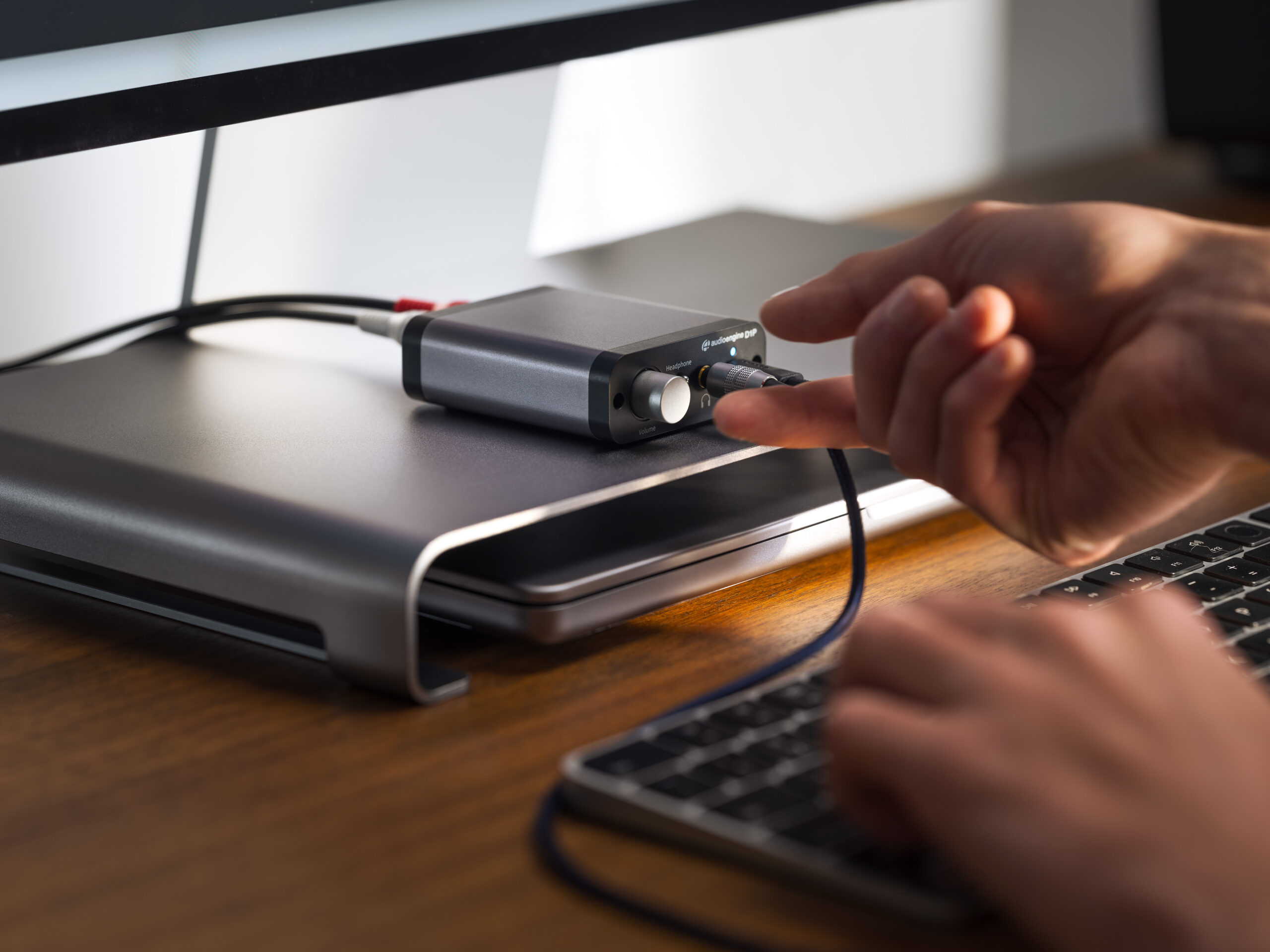
External DACs, like those offered by Audioengine, are standalone devices dedicated to converting digital audio to analog with superior precision. These DACs feature advanced 32-bit technology, resulting in significantly improved sound quality. They are especially beneficial for audiophiles and music lovers who want to extract the maximum detail and clarity from their music.
For a deeper dive into the differences between DACs and how Audioengine’s 32-bit DACs can benefit you, check out our blog “Why Not All Digital-to-Analog Converters Are Created Equally”. This blog explains the technical aspects and advantages of our high-performance DACs, ensuring you understand how they enhance your listening experience.

How DACs Enhance Sound Quality
- Precision and Accuracy: High-quality DACs use advanced components to convert digital signals more precisely. This ensures that the analog output closely matches the original recording.
- Reduced Jitter: Jitter is like timing errors in a car engine. If the spark plugs fire at the wrong times, the engine runs poorly. Similarly, jitter causes timing errors in digital audio, distorting the sound. Upgraded DACs like those built-in to our Home Music Systems ensure precise timing and delivering cleaner, more accurate sound.
- Improved Resolution: Some DACs handle higher bit depths and sample rates, providing better resolution and dynamic range. This allows them to process high-resolution audio files without losing quality.
Bit Depth and Sound Quality
Bit depth determines how much detail an audio signal can have. Higher bit depths allow for more detailed sound reproduction. For example, a 16-bit audio file can represent 65,536 different levels of sound, while a 24-bit file can represent over 16 million levels. This increased detail can result in a more dynamic and engaging listening experience.
Limitations of DACs
While DACs can enhance sound quality, they can’t create information that isn’t there. If the original recording is of poor quality, the DAC can’t magically improve it beyond its limitations. However, a good DAC can make the most of the available data, ensuring the best possible playback quality.
Choosing the Right Equipment
When selecting audio equipment, consider both the source material and the playback system. Upsampling can improve the quality of digital audio files, and a high-quality DAC can further enhance the sound by providing accurate conversion and reducing distortion.
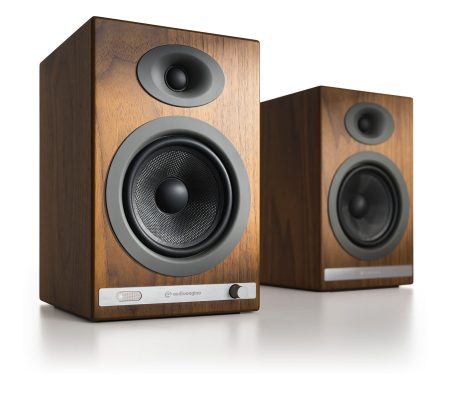
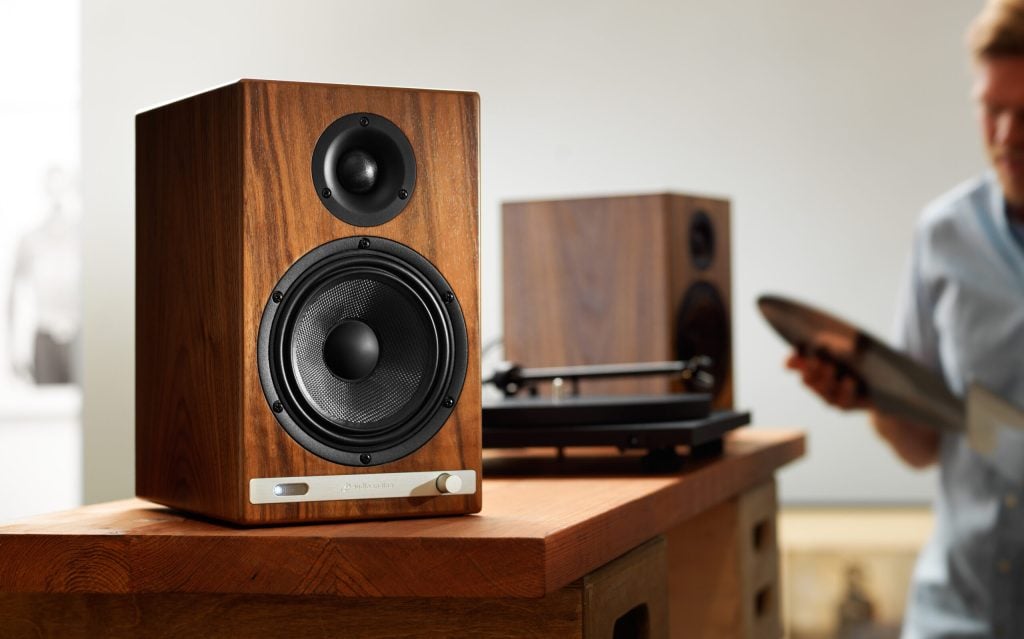
Audioengine Home Music Systems are designed with high-quality DACs and upsampling capabilities to deliver exceptional sound. These systems are crafted to bring out the best in your music, whether you’re streaming high-resolution audio or playing your favorite vinyl record.

Conclusion
Upsampling and high-quality DACs can significantly improve sound quality, revealing details and nuances in your music that might otherwise go unnoticed. By understanding these technologies and choosing the right equipment, you can enhance your listening experience and enjoy your music to its fullest potential. For audiophiles and music lovers, investing in quality components like Audioengine Home Music Systems can make a world of difference, providing clear, detailed, and dynamic sound that truly stands out.